 Michael Turner
Key Takeaways
- CPSC recall 12-251 of August 2012 covers Kenmore Elite front-load gas dryers in the 796 series, sold at Sears from November 2009 to August 2010.
- The gas valve could fail to shut off after the drying cycle, so the dryer kept heating, with 141 complaints and more than 50 reports of scorched clothing.
- Stop using a matching dryer until the free gas valve replacement is done, and never leave laundry in it unattended.
- The model and serial label is inside the dryer door opening, and electric dryers are not covered.
- The recall is over a decade old, so ask whether the free repair is still open for your serial number.
The Bottom Line
Open the dryer door and compare the label with the eight recalled models. If it matches, stop using it until the gas valve has been replaced, and if the free repair is gone, have a technician inspect the valve.
The Kenmore Elite gas dryer recall of August 2012 involved a fault that is easy to read past: after the drying cycle ended, the gas valve could fail to shut off, and the dryer would keep heating its contents. These were front-load gas dryers sold through Sears in a narrow window, which means the ones still in service are now well over a decade old and may have changed hands. If you own or have inherited one, the check takes two minutes and is worth doing today.
| Recall detail | What the CPSC record on this site says |
|---|---|
| Recall number and date | CPSC #12-251, announced August 21, 2012 |
| Product | Kenmore Elite front-load gas dryers, 796 series, also LG gas dryers |
| Units affected | Approximately 21,000 Kenmore Elite and LG gas dryers |
| Hazard | Gas valve fails to shut off after the cycle, fire, burn and smoke inhalation risk |
| Remedy | Free gas valve replacement |
Which Kenmore Elite Gas Dryers Were Recalled?
Eight Kenmore Elite model numbers, all in the 796 series, sold at Sears stores nationwide from November 2009 through August 2010. They are Kenmore Elite front-load gas dryers in red, white and ginger, which is a gold tone. The models are 796.90512900, 796.90518900, 796.91022900, 796.91028900, 796.91029900, 796.92192900, 796.92198900 and 796.92199900. The same recall also covered LG gas dryers, models DLG0452W, DLG1320W and DLG2051W.
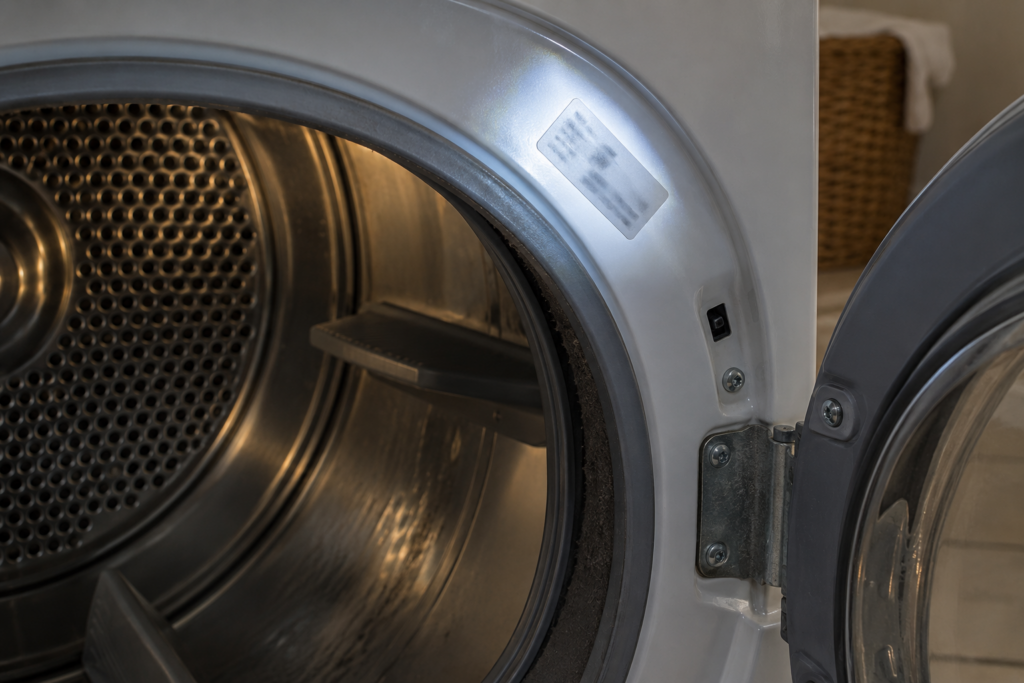
Model and serial numbers are on a label inside the dryer door opening, so open the door and look around the frame. Match the whole number against the list, not just the first few digits, and write it down along with the serial number in case you need to contact anyone. If the dryer is electric rather than gas, this recall does not apply, since the fault is in the gas valve.
What Was the Hazard With the Recalled Dryers?
The gas valve could fail to close at the end of the cycle, so the dryer kept heating even after the drum stopped. LG and Sears received 141 consumer complaints about dryers that continued to heat after the cycle, including more than 50 reports of scorched or burnt clothing and three reports of minor burns to hands or arms from touching overheated dryer parts. The recall carries a fire, burn and smoke inhalation warning, and the site rates the urgency as high.
- The fault appears after the cycle — the dryer behaves normally until it should have stopped heating.
- Laundry left inside is at risk — scorched and burnt clothing was the most common report.
- Touching the dryer is the burn risk — overheated components caused the three minor burn reports.
- It is not an installation or lint problem — the defect is in the valve, separate from the usual vent hazards.
What Should You Do If Your Dryer Is on the List?
Stop using it until the free repair is done, and do not leave laundry in the dryer unattended after any cycle in the meantime. The record names LG and Sears as the contacts for scheduling the free gas valve replacement. Because the recall is more than a decade old and the Sears side has changed enormously, ask whether the repair offer is still available for your serial number, and do not assume it is.
- Confirm the model. Compare the label with the eight models above.
- Stop using the dryer. Gas valve failures cannot be judged by looking at the machine.
- Contact the manufacturer for the free valve replacement. Ask about the status of the remedy for your serial number.
- If it is not available, call a technician. A qualified technician can inspect the gas valve and decide whether the dryer is safe to return to service.
The page adds one instruction that applies to any gas dryer. If it feels unusually hot after a cycle, or you smell gas, unplug it and shut off the gas supply immediately. Treat a gas smell as an emergency, leave the house, and call the gas utility from outside rather than from near the dryer.
It is easy to underrate a recall that never produced an injury more serious than a minor burn. The reason the record rates the urgency as high is the mechanism: a valve that does not close removes the machine's own end-of-cycle stop, and the safeguards people rely on, such as watching the clock and trusting the cycle to finish, no longer apply. The protection has to come from the repair, not from vigilance, and that is why the advice is to stop using a matching dryer rather than to use it carefully.
What to Ask When You Call About the Remedy
A call about a recall that is a decade or more old goes better when you arrive with the facts, because the person on the other end needs the model and serial number before anything else. Have the label photographed, know when and where the dryer was bought if you can, and be ready to say whether the repair was ever done.
- Is my serial number covered? — the model list is the first test, and the serial confirms it.
- Was the gas valve already replaced? — a dryer that had the free repair years ago needs no further action.
- Is the free repair still offered? — if not, ask what the alternative is rather than accepting silence.
- Who may inspect it in the meantime? — a qualified gas appliance technician, not a general handyman.
If you bought the dryer used, the previous owner may know whether the repair was ever completed, and any paperwork from it is worth keeping with the dryer.
How This Fits With Everyday Dryer Fire Safety
The recall is one hazard among several, and it does not replace the basics. Lint buildup in the filter and vent remains the leading cause of dryer fires, and a gas dryer adds the gas supply connection, which should be inspected each year and never repaired as a do-it-yourself job. The wider picture is in Kenmore dryer safety, and the vent routine is in Kenmore front load dryer vent cleaning.
- Clean the lint screen before every load — and check that no residue remains on the mesh.
- Do not run the dryer while asleep or away — an unattended cycle is when most serious fires start.
- Check the exterior vent hood — a blocked hood raises exhaust temperature sharply.
- Inspect the gas connection once a year — and leave any repair to a professional.
Other Kenmore Recalls Worth Checking
Since you have the label in front of you, it is a sensible moment to check the rest of the laundry room and kitchen. The site keeps a record page for each campaign, and each is matched by model and serial number. The 2009 washer drain pump fire recall, the 2015 Kenmore Elite dishwasher power cord recall and the 2016 wall oven thermal switch recall are the ones most likely to apply to an older home, and the original record for this one is the 2012 gas dryer recall page. Our Kenmore recalls by model number guide shows how to look up any model.
If your dryer matches or you cannot read the label, our Kenmore dryer repair service can inspect the gas valve. We are an independent repair guide and not the manufacturer, so the free recall repair itself comes through the channels above. Schedule an inspection or contact us with the model and serial number.